
Yondo Wellness shares practical, down-to-earth guidance on yoga and mindful living for uk readers for readers across the UK.
- 0123456789
- Angle Bd Abdelmoumen & rue soumaya, Résidence
- [email protected]
Yondo Wellness shares practical, down-to-earth guidance on yoga and mindful living for uk readers for readers across the UK.
 By James Whitaker
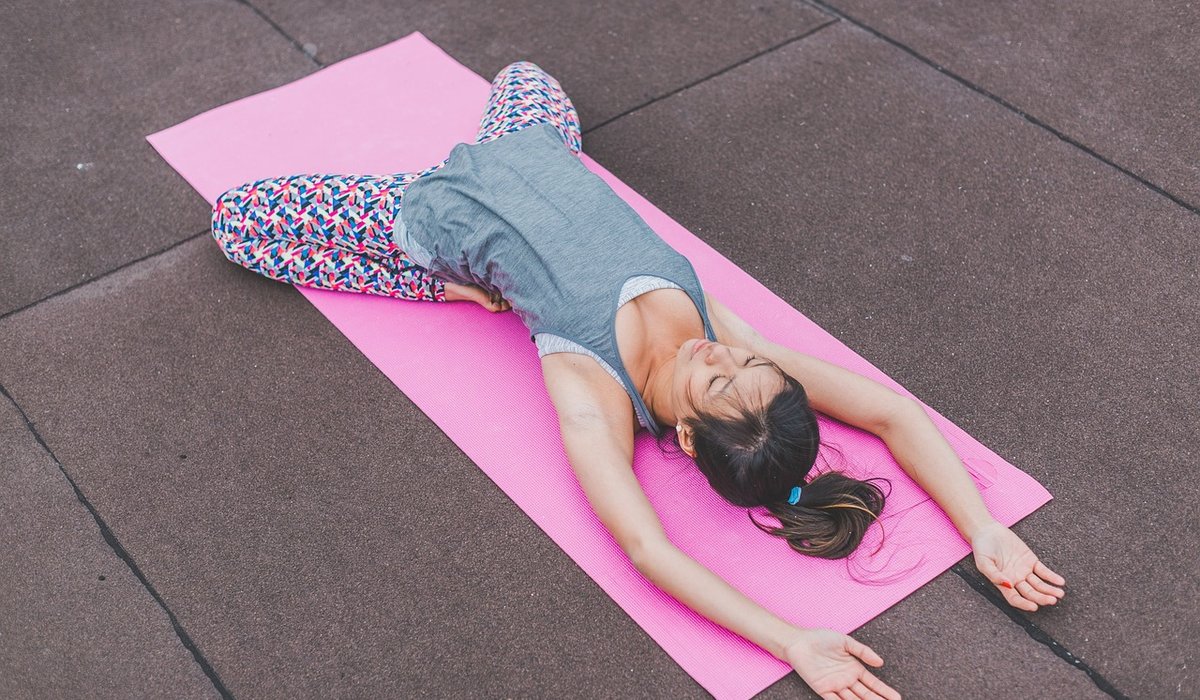
Almost everyone who walks into their first yoga class does so with a mixture of curiosity and quiet apprehension. You may worry you are not flexible enough, not slim enough, or simply not the "yoga type". Within a few weeks, most people discover that the real obstacles are far more mundane: a held breath, a clenched jaw, a tendency to push when they should soften. None of these are failures. They are simply the predictable bumps on the road, and knowing about them in advance makes them far easier to sidestep.
What follows are the mistakes I see most often in beginners, along with practical ways to correct them before they become habits.
This is the single most common error, and the one people notice least. The moment a posture becomes challenging, the breath shortens or stops altogether. You hold it through a lunge, gasp at the end, and wonder why you feel lightheaded.
The breath is your built-in guide to effort. If you cannot breathe smoothly, you have gone beyond your current edge.
Beginners often assume that progress means going deeper, so they muscle their way towards the fullest version of a pose. In reality, yoga works at the point just before strain — the place where you feel a stretch but could still hold a conversation.
Sharp pain, pinching in the lower back, or a knee that twinges are all signals to back off. Discomfort that is dull, broad and slowly easing is usually fine; anything sudden is not.
There will always be someone more flexible, more still, more serene. Glancing sideways to check your alignment is natural, but measuring your worth against another body is a fast route to discouragement and injury.
Yoga is not a performance. Nobody is scoring you, and the person beside you is almost certainly absorbed in their own practice rather than watching yours.
Hatha, vinyasa, restorative, yin and hot yoga ask very different things of you. A brisk, flowing class on a Thursday evening after a long week can leave you frayed rather than restored if what you actually needed was something slow and grounding.
Beginners sometimes sign up for the most advanced-sounding option, then feel deflated when they cannot keep pace.
It is tempting to arrive late, join for the main sequence, and slip out before the final relaxation. Both halves of that habit undermine your practice.
The opening minutes prepare joints, warm connective tissue and settle the mind. The closing savasana is not a nap or an optional extra — it is where the nervous system absorbs the work you have done.
The beginners who keep going are rarely the most flexible or the most disciplined. They are the ones who made peace with inconsistency. They practise twice a week instead of six, do ten minutes on the living room floor rather than an hour in a studio, and come back after a fortnight away without guilt.
Aim for consistency over intensity. Set out a mat somewhere visible, pair your practice with an existing habit such as your morning cup of tea, and keep a folded blanket nearby for the days when you only manage to lie down and breathe. That still counts.
Above all, be patient with yourself. The postures will come. The calm, steady attention you build along the way is the part that quietly changes everything.


We are not gonna make spamming
