
Yondo Wellness shares practical, down-to-earth guidance on yoga and mindful living for uk readers for readers across the UK.
- 0123456789
- Angle Bd Abdelmoumen & rue soumaya, Résidence
- [email protected]
Yondo Wellness shares practical, down-to-earth guidance on yoga and mindful living for uk readers for readers across the UK.
 By Emily Hartley
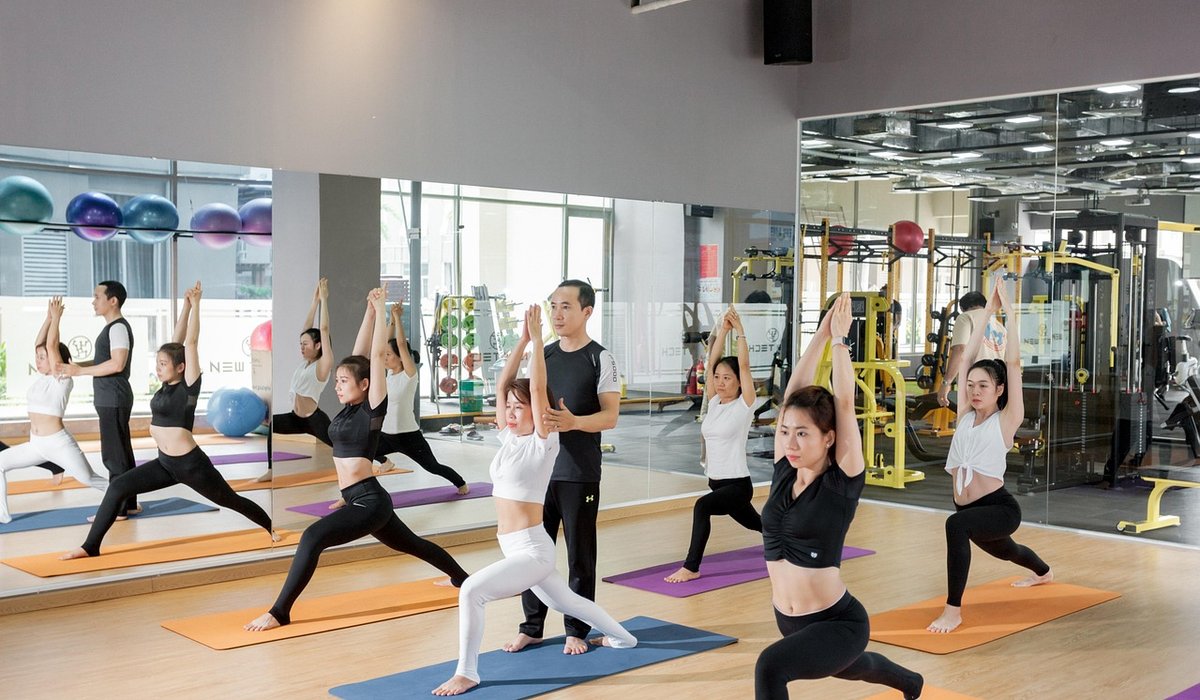
Your mat is the one piece of kit you'll touch every single time you step onto it — barefoot, at 7am on a chilly kitchen floor, or after a long day when your hamstrings feel like piano wire. A good mat quietly does three jobs: it stops you sliding, it cushions the bits that press into the ground, and it gives you a clear, consistent space that says "this is where I practise". Get that right and you'll actually want to unroll it. Get it wrong and you'll spend the whole session rearranging your hands.
You do not need to spend a fortune. A sensible starter set — mat, two blocks and a strap — can come in comfortably under £80 if you shop thoughtfully, and it will serve you for years.
Thickness. Most mats sit between 4mm and 6mm. That range is the sweet spot for beginners: enough cushioning for knees and wrists, but stable enough that you don't wobble in standing poses. Very thin travel mats (about 1–2mm) fold neatly into a rucksack but offer little comfort. Thick 8mm–10mm mats feel luxurious at first, yet the extra squish makes balancing poses harder because your feet sink and shift.
Material. PVC mats are durable, cheap and easy to wipe down, though they linger in landfill for decades. TPE is a lighter, more eco-friendly foam and a good budget all-rounder. Natural rubber offers excellent grip and suits sweaty hands, but it's heavier and has a distinct rubbery smell for the first week or two. Cork mats are naturally antimicrobial and grippier when damp, though they can feel rough on the knees.
If one prop transforms how a pose feels, it's a block. Blocks bring the floor up to you, so your hands can rest somewhere reachable in lunges, triangles and half splits without straining your back or locking your knees. Buy two, not one — you'll use them as a pair far more often than you'd expect.
Cork blocks are dense and stable, with a pleasant weight and a firm, non-slip surface; a pair usually costs £15–£30. Foam blocks are lighter, cheaper and kinder to bony wrists, but they can compress under a firm press. Either is fine. What matters more is height: most blocks offer three levels (roughly 23cm, 15cm and 10cm), so you can adjust as your flexibility changes. Wooden blocks are rock-solid but unforgiving on a dropped toe.
A yoga strap extends your arms, which means it extends what's possible. In seated forward folds, a strap lets you hold the ends and lengthen your spine instead of rounding it. In shoulder work, it helps you find space without forcing. A 2.4-metre cotton strap with a metal buckle or D-rings costs under £12 and rolls up small. A dressing gown belt or a long scarf does the job at a push, but a proper strap won't stretch when you lean into it.
Beyond that, buy slowly. A bolster, a couple of blankets and a meditation cushion are lovely, but only once you know what your body asks for. A folded duvet and a stack of firm pillows will cover most restorative sessions for now.
Wipe your mat after sweaty sessions with a dilute mix of water and white vinegar, or a drop of mild washing-up liquid. Let it dry fully away from direct sunlight before rolling it — roll loosely, top side out, so the surface doesn't stick to itself. Never leave it in a hot car; heat warps foam and rubber. Wash straps in a pillowcase on a cool cycle and air-dry them. Blocks get a wipe now and then, and cork benefits from an occasional light sanding if it starts to feel slick.
Treat your kit as an invitation rather than an expense, and it will reward you with a practice that feels steady, supported and genuinely yours.


We are not gonna make spamming
