
Yondo Wellness shares practical, down-to-earth guidance on yoga and mindful living for uk readers for readers across the UK.
- 0123456789
- Angle Bd Abdelmoumen & rue soumaya, Résidence
- [email protected]
Yondo Wellness shares practical, down-to-earth guidance on yoga and mindful living for uk readers for readers across the UK.
 By James Whitaker
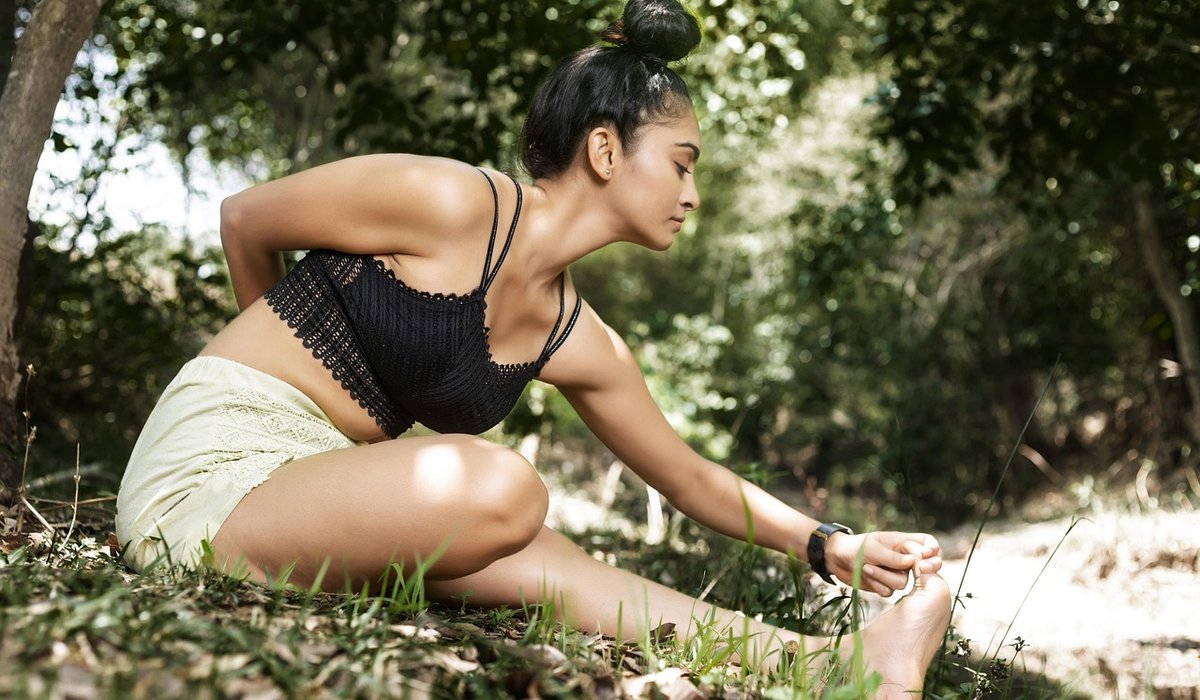
In a standard yoga class, you can usually get away with a glass of water beforehand and a refill afterwards. A hot class is a different creature. With the room sitting somewhere between 35°C and 40°C and humidity nudging 40 per cent, you can lose well over a litre of fluid in a 60 to 90 minute session — sometimes closer to two if you are new to the heat, carrying a bit more body weight, or simply a vigorous sweater.
That loss is not just water. Sweat carries sodium, potassium, magnesium and chloride with it, and those are the minerals that keep your muscles contracting smoothly, your nerves firing and your blood pressure steady. Replace the water without the salts and you can end up feeling foggy, headachy and oddly flat — a classic sign that you have diluted what was left rather than topping it up. The good news is that a little planning takes care of almost all of it.
The single biggest mistake I see in heated studios is arriving already behind. You cannot catch up on a litre of fluid in the ten minutes before class; your body will simply send it to your bladder. Think of hydration as a slow, steady drizzle rather than a downpour.
If you practise first thing in the morning, you wake up already mildly dehydrated after seven or eight hours without fluid. A mug of water while you dress and another on the way to the studio makes a real difference.
Most teachers will build in two or three short water breaks, and you should use them even if you do not feel thirsty. Thirst arrives late in the game — by the time you notice it, you are usually already a percent or two down.
Take a few mouthfuls, not a full bottle. Something in the region of 150–250ml per break is about right for most people. Drinking too much mid-flow can leave you feeling heavy and slightly queasy, particularly in twists and forward folds. If you are prone to cramp, sip at every break rather than saving it all for the last ten minutes.
One practical tip for UK studios, where the corridors can be chilly even when the hot room is not: keep your bottle out of the room until you need it if you prefer cool water, or fill it with lukewarm water from the tap if cold drinks tend to give you a stitch. Room-temperature water is generally absorbed most comfortably.
For a single weekly hot class, plain water plus a decent diet will usually cover you. Once you are practising two or three times a week, or sweating heavily, it is worth thinking about salts.
Do not overdo the salts either. More is not better, and a heavy-handed scoop of powder can leave you bloated and thirsty in equal measure.
A full stomach and a 38°C room are not friends. Blood that should be cooling your skin and feeding your muscles is instead diverted to digestion, and you will feel sluggish, burpy and probably a bit nauseous.
Stop and step out if you feel dizzy, see stars, get a pounding headache, or notice goosebumps and chills in a hot room. Those are warning signs, not weaknesses to push through, and no teacher will think less of you for sitting down with a bottle of water.
Afterwards, keep drinking steadily for the rest of the day rather than downing a litre in one go. A rough guide is to replace about 1.5 times whatever you lost — if you are 500g lighter after class, aim for around 750ml spread over the next few hours. Add a pinch of salt to your evening meal, put your feet up for ten minutes, and enjoy that lovely loose, wrung-out feeling that only a hot class gives you. Look after the basics and the heat becomes a pleasure rather than a punishment.


We are not gonna make spamming
