
Yondo Wellness shares practical, down-to-earth guidance on yoga and mindful living for uk readers for readers across the UK.
- 0123456789
- Angle Bd Abdelmoumen & rue soumaya, Résidence
- [email protected]
Yondo Wellness shares practical, down-to-earth guidance on yoga and mindful living for uk readers for readers across the UK.
 By Sophie Bennett
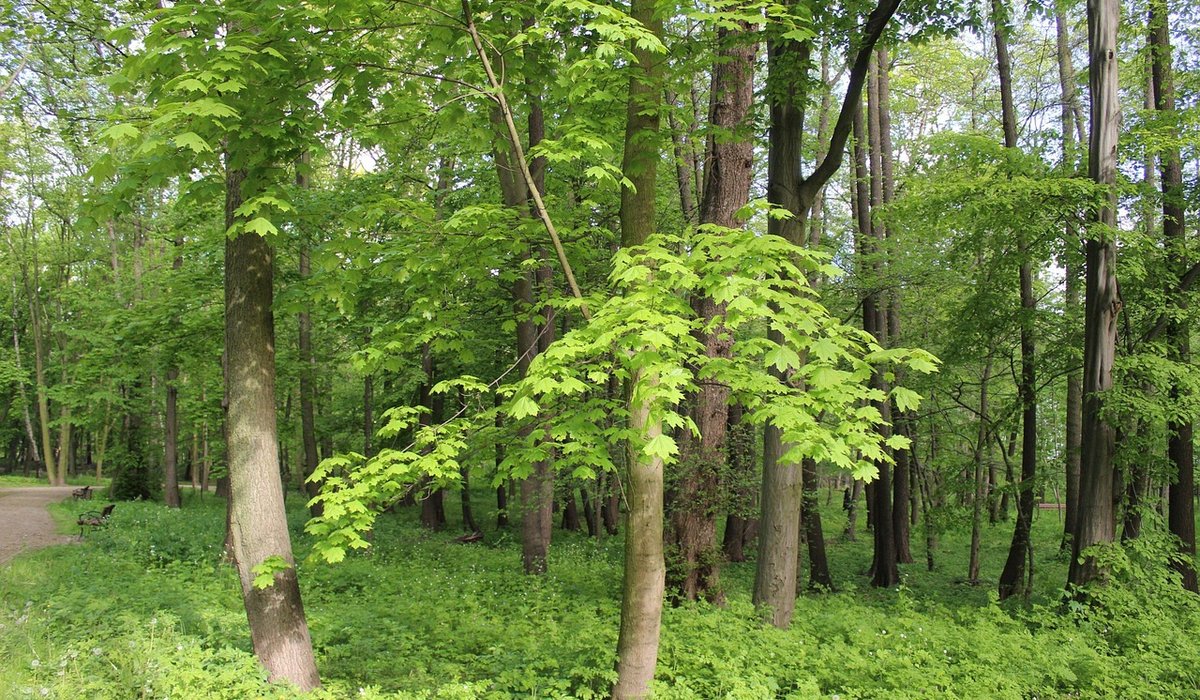
A weekend yoga retreat in the UK can mean a great many things. It might be two nights in a converted barn in the Cotswolds with a dozen other people, or a silent stay in a remote Welsh farmhouse with cold-water plunges at dawn. Before you start comparing prices, write down what you actually need from the weekend: rest, structure, a specific teacher, or simply time away from your phone. That short list will rule out half the options immediately and save you from booking something beautiful but wrong.
Think about the practical shape of the weekend, too. Most UK retreats run Friday evening to Sunday afternoon, with four to six yoga sessions, one or two guided walks, and generous unstructured time. Some are silent from the first evening; others are chatty and sociable over meals. Neither is better, but they suit very different moods, and turning up to a silent retreat when you wanted company can feel like a long 48 hours.
Location shapes everything: the light, the walking, the food, even how well you sleep. Popular areas include the Lake District, Snowdonia, the Yorkshire Dales, the Peak District, Somerset, the Norfolk coast and the Scottish Borders. Each has a different feel — coastal retreats tend to be breezier and more bracing, while inland centres in wooded valleys feel quieter and more enclosed.
The last mile is where people come unstuck. A centre described as "near" a town can still be a twenty-minute drive up a single-track lane with no pavement and patchy signal. Before booking, check:
"Yoga retreat" covers everything from gentle restorative work to six hours a day of strong Vinyasa. Read the schedule properly rather than skimming it. A typical day might begin with pranayama at 7am, followed by a two-hour dynamic class, breakfast, free time, an afternoon workshop on alignment, and a slow Yin session before bed. That is wonderful if you are fit and keen; it is exhausting if you are recovering from burnout or new to the practice.
Consider the teacher as much as the style. Ask yourself:
Food makes or breaks a retreat. Most UK centres serve vegetarian or vegan meals, often largely organic and locally sourced, with alcohol either absent or limited to a glass of wine with dinner. That suits plenty of people, but do not assume. If you are coeliac, dairy-free, nut-allergic or simply need protein with every meal, say so at the enquiry stage, not on arrival.
It is also worth asking how meals are structured. Are they communal and set at fixed times? Is there unlimited tea and coffee, or a strict caffeine policy? Are snacks available in the afternoon, or should you bring your own? A surprising number of guests end up hungry on the first evening because they arrived after the kitchen closed, so check whether dinner is included on Friday night.
Accommodation varies enormously and is usually the biggest factor in price. Typical options include shared twin rooms, dormitories with bunk beds, single rooms at a supplement, en-suite versus shared bathrooms, and occasionally camping or glamping pods in the grounds. A single room with a private bathroom might add £60–£120 to the weekend; a dorm bed could bring the total down to £180 or so.
If you are travelling alone, ask whether the centre will pair you with another guest of the same gender, and whether there is a no-single-supplement option. Bear in mind that older properties can be draughty, with shared bathrooms down a corridor — charming in summer, less so in February. If quiet matters to you, request a room away from the practice space and the kitchen.
Weekend retreats in the UK sell out quickly, particularly those running from January to March, over bank holidays and through the autumn. Popular teachers can fill a date six months ahead. Booking two to three months in advance usually secures both the best rooms and the lowest prices; late availability tends to mean either the priciest single rooms or a last-minute discount on whatever is left.
Before you pay a deposit, confirm the details in writing:
Finally, be realistic about your budget. A basic shared-room weekend might cost £180–£280, a mid-range single room £350–£550, and a polished, small-group retreat with excellent food £600 and upwards. Whatever you choose, leave the weekend a little unstructured. The best moments on a retreat are rarely the ones printed in the timetable.


We are not gonna make spamming
